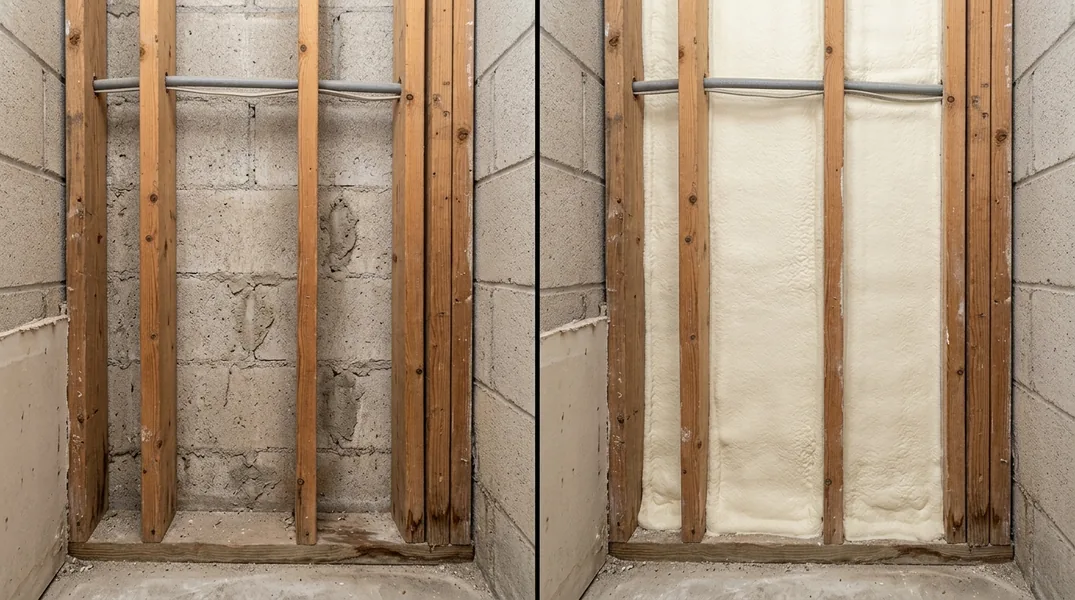
Understanding Spray Foam Attic Insulation Types
When it comes to protecting your home in Cape Coral from the intense Florida heat and humidity, choosing the right insulation is one of the most important decisions you'll make. Attic Spray Foam Insulation has become the gold standard for homeowners seeking superior energy efficiency and moisture control. However, not all spray foam is created equal. The two primary types, open cell and closed cell, offer distinct advantages and trade-offs that directly impact your home's comfort, energy bills, and long-term durability.
Understanding the fundamental differences between these two options is essential before making an investment in your attic. Open cell and closed cell spray foam differ in their chemical composition, density, R-value per inch, moisture permeability, and cost. For homeowners in Cape Coral, where salt air corrosion and high moisture are constant concerns, these distinctions become even more critical. The right choice can mean the difference between a comfortable, energy-efficient home and one plagued by moisture problems and high cooling costs.
What Is Open Cell Spray Foam Insulation?
Open Cell Spray Foam Insulation features a cellular structure where the walls between cells are broken, creating a more flexible, sponge-like material. This open structure allows air and moisture to pass through the foam, which is why it's often called a semi-permeable insulation. Open cell foam typically has a lower density, ranging from 0.4 to 0.5 pounds per cubic foot, and an R-value of approximately 3.6 to 3.8 per inch. Because of its lower density and material cost, open cell spray foam is generally more affordable than its closed cell counterpart.
The flexibility and sound-dampening properties of open cell foam make it an attractive option for homeowners looking to reduce noise transmission between rooms and from outside. Its lower cost and ease of installation appeal to budget-conscious homeowners. However, the moisture-permeable nature of open cell foam means it's less effective as a vapor barrier. In humid climates like Cape Coral, this characteristic requires careful consideration. If moisture penetrates the foam, it can potentially accumulate within the attic space, leading to mold growth, wood rot, and structural damage over time. For this reason, open cell foam typically requires a separate vapor barrier or careful ventilation strategy to perform optimally in high-humidity environments.
What Is Closed Cell Spray Foam Insulation?
Closed Cell Spray Foam Insulation features a dense cellular structure where the cells are completely closed and packed tightly together. This creates a rigid, moisture-resistant barrier with a density of 1.5 to 2.0 pounds per cubic foot and an R-value of approximately 6.0 to 7.0 per inch. Because closed cell foam is significantly denser and provides superior insulation performance per inch, it requires less material to achieve the same R-value as open cell foam. The closed cell structure acts as both an insulator and a vapor barrier, preventing moisture from passing through the foam.
The moisture-blocking properties of closed cell foam make it the superior choice for humid, coastal environments like Cape Coral. The rigid nature of closed cell foam also provides structural reinforcement to your attic, which can help brace roof trusses and increase the overall strength of your home. Additionally, closed cell foam's impermeability to air and moisture makes it an excellent choice for creating a sealed attic insulation system. However, the higher density, superior performance, and additional benefits come at a premium price. Closed cell spray foam typically costs 50 to 100 percent more than open cell foam. For homeowners willing to invest in long-term energy savings and moisture protection, closed cell foam often proves to be the better value over the life of the home.
Why Cape Coral Homeowners Should Consider Closed Cell Foam
Cape Coral's subtropical climate presents unique challenges that make closed cell spray foam particularly well-suited for attic applications. The combination of high heat, intense humidity, salt air, and the ever-present threat of tropical storms creates an environment where moisture control is paramount. Unlike drier climates where open cell foam might perform adequately with proper ventilation, the persistent moisture in Cape Coral makes the vapor-blocking properties of closed cell foam invaluable. When you create an unvented attic spray foam system with closed cell foam, you're essentially creating a sealed, conditioned space that resists moisture infiltration and prevents the mold and decay that plague many older Cape Coral homes.
The energy efficiency gains from closed cell foam are particularly significant in a place like Cape Coral, where air conditioning costs can consume 50 percent or more of your annual energy budget. The superior R-value per inch means you achieve better insulation performance with less material thickness, which is especially valuable in attics with space constraints. The structural reinforcement provided by closed cell foam's rigid nature also offers peace of mind during hurricane season, as the foam helps brace roof trusses and adds rigidity to the overall structure. When you combine these factors with Cape Coral's intense solar heat gain, the investment in closed cell spray foam typically pays for itself through energy savings within 5 to 10 years, making it a smart long-term investment for your home.
Open Cell vs Closed Cell: Comparing Performance and Cost
When comparing open cell and closed cell spray foam directly, the decision ultimately hinges on your priorities and budget. Open cell foam excels in applications where cost is the primary concern and moisture isn't a significant issue. It provides decent insulation value, excellent sound dampening, and a lower upfront investment. For homeowners in drier climates or those who prioritize budget over performance, open cell foam can be a reasonable choice. However, for Cape Coral homeowners dealing with coastal humidity, salt air, and the risk of moisture intrusion, the trade-offs often aren't worth the savings. Closed cell foam's superior R-value means you need less thickness to achieve the same insulation performance, and its moisture resistance eliminates the need for additional vapor barriers or complex ventilation strategies.
The pricing difference between the two types is substantial but shouldn't be evaluated in isolation. A typical attic might require 5 to 6 inches of open cell foam to achieve an R-30 rating, while only 5 to 6 inches of closed cell foam achieves an R-38 to R-42 rating. When you factor in energy savings, reduced maintenance costs, better moisture protection, and the peace of mind that comes with a properly sealed attic, closed cell foam often delivers superior overall value. Additionally, closed cell foam's longevity and resistance to degradation mean it will continue performing optimally for 30 to 50 years, whereas open cell foam may require maintenance or replacement sooner in humid environments.
Getting Your Attic Spray Foam Assessment in Cape Coral
The best way to determine whether open cell or closed cell spray foam is right for your Cape Coral home is to have a professional assessment performed by experienced insulation specialists. Every attic is different, with unique ventilation challenges, moisture conditions, existing insulation, and structural considerations that affect the ideal foam choice. A thorough evaluation should include a moisture assessment, air leakage testing, thermal imaging, and a detailed discussion of your energy goals and budget. The team at Cape Coral Spray Foam Insulation understands the specific challenges that Cape Coral homeowners face and can provide expert guidance tailored to your home's unique needs.
When you're ready to explore your options, we encourage you to reach out for a free estimate or call us at (239) 360-6374 to discuss your attic insulation needs. Our experienced technicians will assess your current situation, explain the pros and cons of each foam type for your specific circumstances, and provide transparent pricing so you can make an informed decision. Whether you ultimately choose open cell or closed cell spray foam, investing in professional attic insulation will improve your home's comfort, reduce your energy bills, and protect your property from moisture damage for years to come.
Looking for a professional spray foam insulation contractor in Cape Coral? Cape Coral Spray Foam Insulation responds fast for all your spray foam insulation needs.
Get a Free Quote